Operating system · Android-based
GrapheneOS
Most Android apps Optional Google Play (sandboxed) Active
Checked against the makers' own pages · Last reviewed October 15, 2026
GrapheneOS is a free, open-source version of Android built by a non-profit project. It ships with no Google apps or services, but you can add Google Play as an ordinary sandboxed app if you need it. As of Oct. 15, 2026 it runs on Google Pixel phones from the Pixel 6 to the Pixel 10a, and the project has a partnership with Motorola for phones that ship in 2027. [1][2][3]
- Android app compatibility
- Most Play Store apps run with sandboxed Google Play; some banking and payment apps refuse it [4][14]
- Apps
- Play Store (through sandboxed Google Play), the GrapheneOS App Store, or any other Android app source [2][4]
- Buy it preinstalled
- The project doesn't sell phones; third-party resellers sell Pixels with it installed [2]
- Project status
- Active; several releases a month in 2026 [8]
- Latest version
- Android 17 based (release 2026100600, Oct. 2026) [8]
- Made by
- The GrapheneOS project, a non-profit open source project founded in 2014 (formerly CopperheadOS) [1]
- Google apps
- None included. Google Play can be installed as a sandboxed app with no special access. [1][4]
- Phones
- Google Pixel 6 through Pixel 10a; Pixel 11 not supported yet; Motorola phones planned for 2027 [2][5][6]
- Price
- Free. You install it yourself with the official web installer, or buy a phone from a third-party seller. [2][7]
- Latest release
- 2026100600 (Oct. 2026), based on Android 17, with the 2026-10-05 security patch level [8]
On this page
What GrapheneOS is and who makes it
GrapheneOS describes itself as "a privacy and security focused mobile OS with Android app compatibility developed as a non-profit open source project." It was founded in 2014 and was formerly known as CopperheadOS. It is built on the Android Open Source Project (AOSP), the free part of Android that Google publishes without its own apps.
The project says it "will never include either Google Play services or another implementation of Google services like microG." (microG is a free replacement for Google's services that some other systems use.) Instead, you can add the real Google Play apps yourself as normal, sandboxed apps; see below.
GrapheneOS is funded by donations, according to its FAQ. It also makes its own apps: the Vanadium browser, a PDF viewer, the Auditor app for checking a phone's integrity, and a camera app. [1][2]
Supported phones
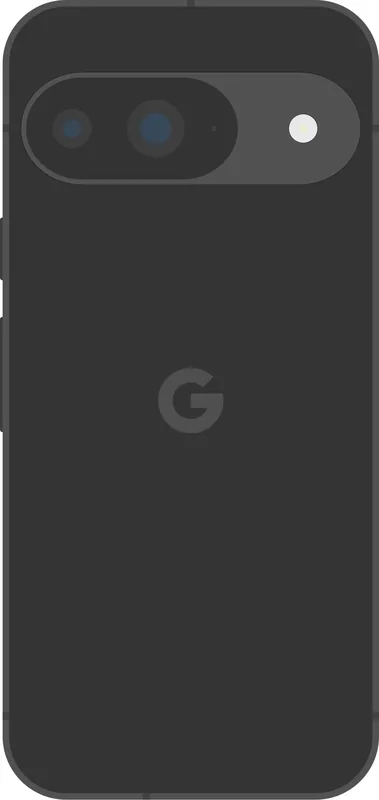
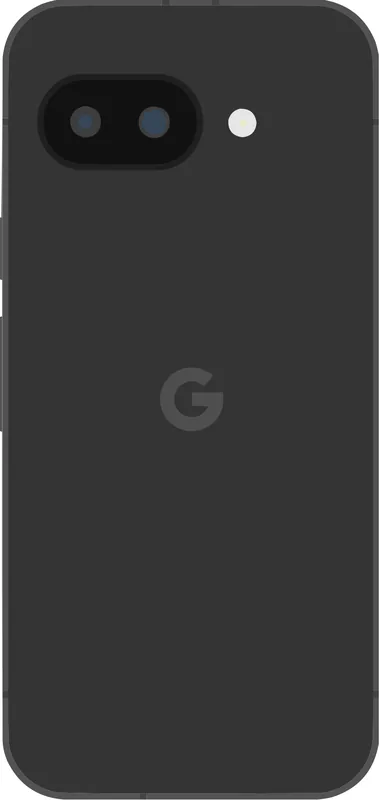
As of Oct. 15, 2026, the GrapheneOS FAQ lists official support for these Google Pixels: Pixel 10a, Pixel 10 Pro Fold, Pixel 10 Pro XL, Pixel 10 Pro, Pixel 10, Pixel 9a, Pixel 9 Pro Fold, Pixel 9 Pro XL, Pixel 9 Pro, Pixel 9, Pixel 8a, Pixel 8 Pro, Pixel 8, Pixel Fold, Pixel Tablet, Pixel 7a, Pixel 7 Pro, Pixel 7, Pixel 6a, Pixel 6 Pro and Pixel 6.
The project "strongly" recommends buying only the Pixel 8 or newer (Pixel 8, 8 Pro, 8a, all Pixel 9 and Pixel 10 models), because those have a seven-year minimum support guarantee from launch and hardware memory tagging, a chip feature it uses to block common kinds of attacks.
Support lasts as long as Google ships updates for the phone. The FAQ table gives these end dates for Google's minimum support:
| Phone | Google minimum support ends |
|---|---|
| Pixel 10a | March 2033 |
| Pixel 10, 10 Pro, 10 Pro XL | August 2032 |
| Pixel 10 Pro Fold | October 2032 |
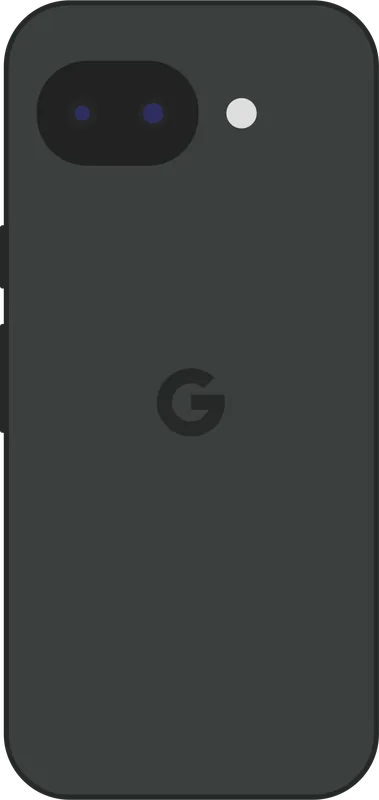
| Pixel 9a | April 2032 |
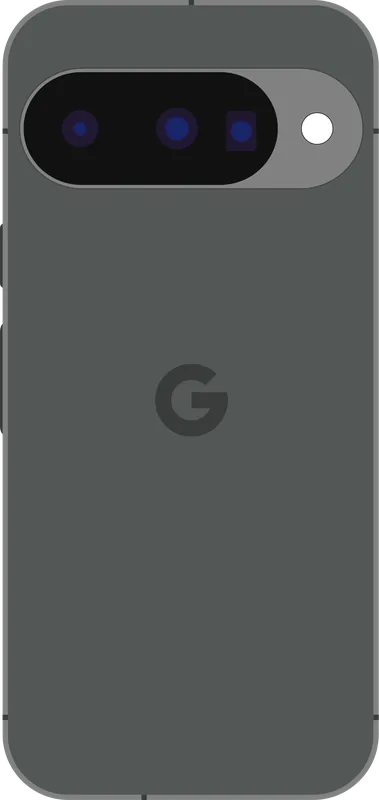
| Pixel 9, 9 Pro, 9 Pro XL, 9 Pro Fold | August 2031 |
| Pixel 8a | May 2031 |
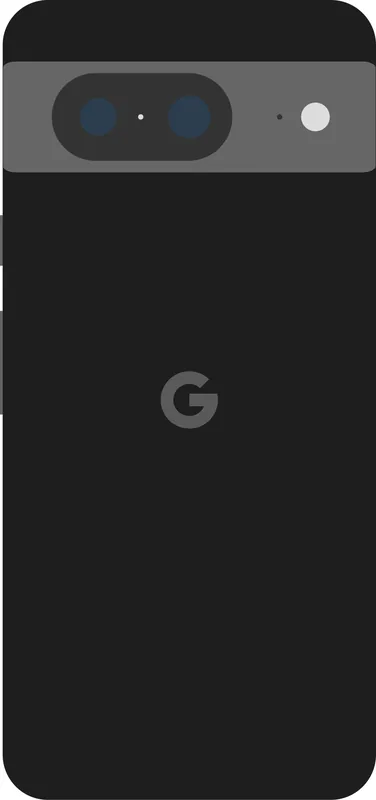
| Pixel 8, 8 Pro | October 2030 |
| Pixel 7, 7 Pro | October 2027 |
| Pixel 6, 6 Pro | October 2026 |
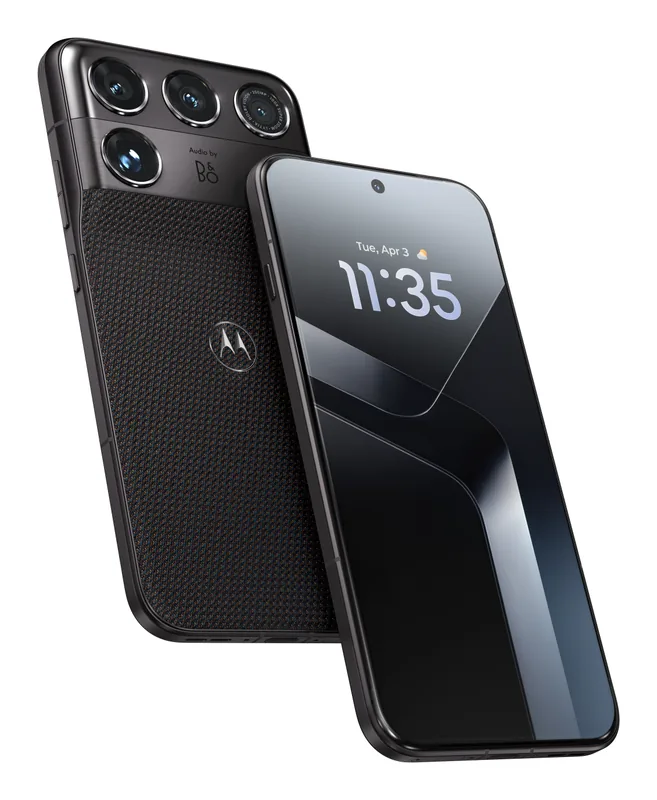
Our phone pages: Pixel 10, Pixel 10a, Pixel 9, Pixel 9a, Pixel 8 and the upcoming Motorola Signature 27. [2]
Pixel 11: not supported yet
Google's Pixel 11 phones went on sale in August 2026, but they are not on the GrapheneOS supported list as of Oct. 15, 2026. On Sept. 29, 2026 the project wrote that Android 17 QPR2 Beta 4 "added firmware support for MTE" (memory tagging), that Android 17 QPR2 is due in December, and that its "priority is working on completing support for the upcoming Motorola flagship, but we can circle back and finish Pixel 11 support if they ship working MTE support." [2][5][9]
The Motorola partnership
On March 2, 2026, Motorola announced a long-term partnership with the GrapheneOS Foundation to "collaborate on future devices engineered with GrapheneOS compatibility." GrapheneOS said it is "collaborating on future devices meeting our privacy and security standards with official GrapheneOS support."
GrapheneOS says current Motorola phones are not supported: the 2026 Motorola Signature, Razr Fold and Razr Ultra "lack MTE, adequate secure element integration and other features being added for 2027." On Sept. 22, 2026, asked whether the new Motorola Signature 27 is the phone that will support GrapheneOS, the project replied: "Yes, that will be the initial supported phone." It has said support will come "at some point in 2027 for the initial flagship, hopefully in the first half of the year," and that devices sold with GrapheneOS installed "are planned but the details of that still need to be worked out." See our Motorola Signature 27 page. [3][6][10][11][12][13]
How it compares to stock Android
"Stock Android" here means the Google software a Pixel ships with. On GrapheneOS, according to the project's usage guide and FAQ:
- Play Store apps: Google Play is not built in. If you install it from the GrapheneOS App Store, it runs as a normal sandboxed app. The project says sandboxed Google Play "provides near complete compatibility with the app ecosystem depending on Google Play," including in-app purchases and license checks. Only "a small subset of privileged functionality" is unavailable. - Google sign-in: optional. You need a Google account to install apps from the Play Store or to use apps that log in with Google. - Push notifications: many apps get background notifications through Google's Firebase Cloud Messaging (FCM). With sandboxed Google Play installed (and given a battery optimization exception), this works. Without it, apps that rely on FCM may only notify you while open, though apps like Signal and FairEmail keep their own connection. - Banking apps: the weak spot. Many banking apps check whether the phone runs a Google-certified system. GrapheneOS "passes the basicIntegrity check but isn't certified by Google so it fails the ctsProfileMatch check," and it doesn't try to fake these checks. Some banking apps work, others refuse. The project points to a community list kept by PrivSec.dev, without guaranteeing it. - Google Wallet tap-to-pay: Google's own help page says Google Wallet may not work in stores on phones that run a custom ROM or have modified factory software, and says to reinstall the original operating system to make contactless payments. - Android Auto: supported. You install it from the GrapheneOS App Store, and you grant its extra permissions with dedicated toggles. - Location: by default, apps that ask Google Play for location are rerouted to the phone's own location service, so Google's network location isn't used unless you turn it back on. - Camera: GrapheneOS says Pixel Camera works on GrapheneOS with the same features as on the stock OS, even without sandboxed Google Play. - eSIM: existing eSIMs work. Adding or managing eSIMs needs a Google component that is off until you enable it in Settings.
What you gain, per the project: extra permission toggles (Network and Sensors), Storage Scopes and Contact Scopes (give an app only the files or contacts you pick), a USB-C port setting that blocks new USB connections, an auto-reboot timer, and a duress PIN that wipes the phone. [2][4][14][15][16]
Installing it yourself vs. buying it preinstalled
GrapheneOS has two official install methods: a WebUSB web installer that runs in a browser and is "recommended for most users," and a command-line guide for technical users. The web installer needs a computer (Windows 10/11, macOS, many Linux versions, ChromeOS, or another Android phone) with at least 2GB of free memory and 32GB of free storage, a USB cable, and a supported browser such as Chrome, Edge, Chromium or Brave.
Avoid carrier versions of Pixels. The installer page warns that carrier variants have bootloader unlocking turned off; the FAQ says this "is primarily an issue with US carriers." The bootloader is the program that starts the phone's operating system; it must be unlocked to install GrapheneOS and is locked again afterward.
Several companies sell Pixels with GrapheneOS already installed. The project says it is "not affiliated with or endorse any company selling devices with GrapheneOS," and its "official recommendation is to buy a supported device and install GrapheneOS yourself." If you buy one anyway, it says to check the verified boot key hash and factory reset the phone before use. Our guide How to buy a GrapheneOS phone lists options. [2][7]
Project status
GrapheneOS is actively maintained. Its releases page lists eight tagged releases between Sept. 5 and Oct. 6, 2026. The Oct. 6 release, 2026100600, brought the "full 2026-10-05 security patch level" and October 2026 Pixel firmware, and the project has moved to Android 17. [8]
Phones in our database that run GrapheneOS
| Phone | Type | Price | Status | US | Carriers | Google apps | OS |
|---|---|---|---|---|---|---|---|
| Motorola Signature 27Motorola (Lenovo) · United States6.8" · 12 GB RAM · 256 GB · 7,000 mAh | Phones you de-Google yourself | Not announced (Oct. 15, 2026) | Announced | Yes | Bands not published | Yes | Motorola Android (GrapheneOS planned) |
| Google Pixel 10 seriesGoogle · United States6.3" · 12 GB RAM · 128 GB · 4,970 mAh · 204 g | Phones you de-Google yourself | From $799 (Pixel 10, Google Store, Oct. 15, 2026) | On sale | Yes | VerizonAT&TT-Mobile | Yes | Google Android; install a non-Google system yourselfAlso runs: GrapheneOS, LineageOS |
| Google Pixel 10aGoogle · United States6.3" · 8 GB RAM · 128 GB · 5,100 mAh · 183 g | Phones you de-Google yourself | $599 (128 GB, Google Store, Oct. 15, 2026) | On sale | Yes | VerizonAT&TT-Mobile | Yes | Google Android; install a non-Google system yourselfAlso runs: GrapheneOS, CalyxOS, LineageOS |
| Google Pixel 8 seriesGoogle · United States6.2" · 8 GB RAM · 128 GB · 4,575 mAh · 187 g | Phones you de-Google yourself | Refurbished Pixel 8 from $389 (Google Store, Oct. 15, 2026) | On sale | Yes | VerizonAT&TT-Mobile | Yes | Google Android; install a non-Google system yourselfAlso runs: GrapheneOS, CalyxOS, /e/OS, LineageOS, iodéOS |
| Google Pixel 9 seriesGoogle · United States6.3" · 12 GB RAM · 128 GB · 4,700 mAh · 198 g | Phones you de-Google yourself | Refurbished with GrapheneOS from $845 (Pixel 9, third-party seller ameriDroid, Oct. 15, 2026) | Discontinued | Yes | Verizon bandsAT&T bandsT-Mobile bands | Yes | Google Android; install a non-Google system yourselfAlso runs: GrapheneOS, CalyxOS, /e/OS, LineageOS, iodéOS |
| Google Pixel 9aGoogle · United States6.3" · 8 GB RAM · 128 GB · 5,100 mAh · 185.9 g | Phones you de-Google yourself | $499 list at the Google Store (out of stock, Oct. 15, 2026) | Out of stock | Yes | VerizonAT&TT-Mobile | Yes | Google Android; install a non-Google system yourselfAlso runs: GrapheneOS, CalyxOS, /e/OS, LineageOS, iodéOS |
Questions people ask
Is GrapheneOS free?
Yes. It is open source and funded by donations. You pay only for the phone, or a reseller's markup if you buy one with GrapheneOS installed. [2]
Can I use Google apps on GrapheneOS?
Yes, most of them. Install Google Play services and the Play Store from the GrapheneOS App Store; they run as ordinary sandboxed apps. Google Wallet tap-to-pay and some banking apps may refuse to run. [4][14]
Does GrapheneOS work on the Pixel 11?
Not as of Oct. 15, 2026. The Pixel 11 is not on the supported list. The project said in September 2026 it may finish Pixel 11 support if Google ships working memory tagging support, after its Motorola work. [2][5]
Sources (16)
- GrapheneOS: the private and secure mobile OS, GrapheneOS. Checked October 15, 2026.
- Frequently Asked Questions, GrapheneOS. Checked October 15, 2026.
- GrapheneOS announcement of the Motorola partnership (March 2, 2026), GrapheneOS (official Mastodon account). Checked October 15, 2026.
- Usage guide, GrapheneOS. Checked October 15, 2026.
- GrapheneOS post on Pixel 11 and Android 17 QPR2 (Sept. 29, 2026), GrapheneOS (official Mastodon account). Checked October 15, 2026.
- GrapheneOS reply on Motorola timing (Aug. 30, 2026), GrapheneOS (official X account). Checked October 15, 2026.
- Web installer, GrapheneOS. Checked October 15, 2026.
- Releases, GrapheneOS. Checked October 15, 2026.
- Find when your Pixel device became available, Google Pixel Phone Help. Checked October 15, 2026.
- Motorola announces a partnership with GrapheneOS Foundation, marking a new chapter in smartphone security and expanding its enterprise portfolio, Motorola. Checked October 15, 2026.
- GrapheneOS post on current Motorola devices (Aug. 22, 2026), GrapheneOS (official Mastodon account). Checked October 15, 2026.
- GrapheneOS reply on the Motorola Signature 27 (Sept. 22, 2026), GrapheneOS (official X account). Checked October 15, 2026.
- GrapheneOS reply on devices sold with GrapheneOS (Sept. 23, 2026), GrapheneOS (official X account). Checked October 15, 2026.
- Fix problems with tap to pay transactions, Google Wallet Help. Checked October 15, 2026.
- GrapheneOS post on camera apps (Oct. 4, 2026), GrapheneOS (official Mastodon account). Checked October 15, 2026.
- Features overview, GrapheneOS. Checked October 15, 2026.